

Why UV Protection for Your Eyes Matters - Even on Cloudy Days
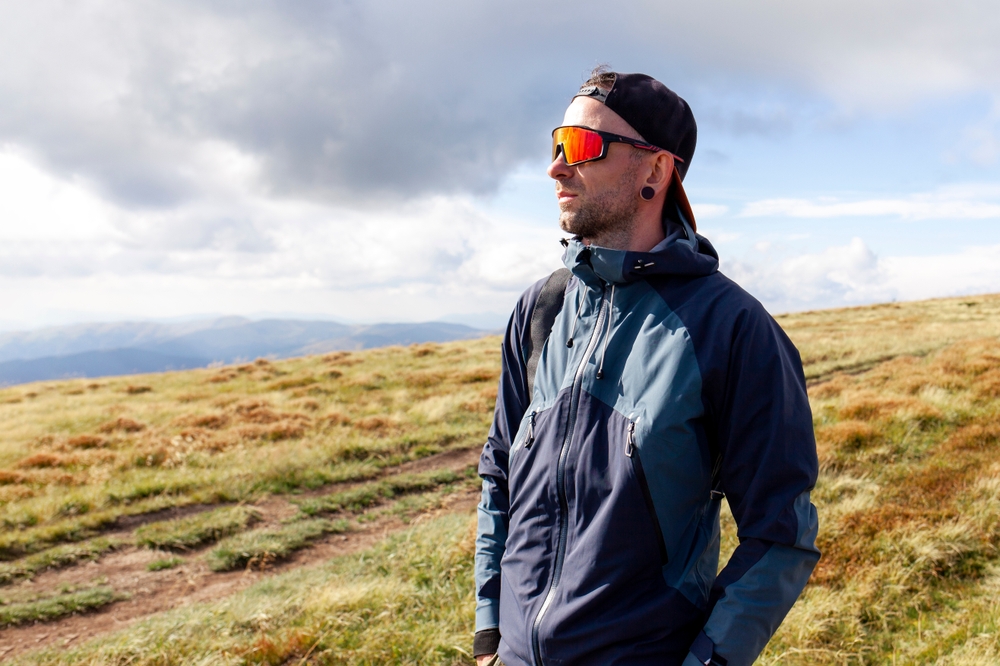
When most people think about protecting their eyes from the sun, they picture a bright summer afternoon with clear skies. But did you know that ultraviolet (UV) rays can still cause damage even when the sky is overcast? Just like your skin, your eyes are vulnerable to UV exposure year-round - rain or shine.
The Hidden Risk of UV Rays
UV radiation from the sun can penetrate clouds and haze, meaning your eyes are still at risk even on gray, gloomy days. In fact, up to 80% of UV rays can pass through clouds. This makes daily eye protection essential, not just something reserved for beach days or vacations.
Eye Conditions Linked to UV Exposure
Prolonged or repeated exposure to UV light increases the risk of several eye conditions, including:
• Photokeratitis - Often described as “sunburn of the eye,” causing redness, irritation, and discomfort.
• Cataracts - Clouding of the eye’s lens that can lead to vision loss.
• Macular Degeneration - A leading cause of blindness, linked to long-term UV damage.
• Pinguecula & Pterygium - Growths on the eye’s surface, sometimes called “surfer’s eye,” that can cause discomfort and interfere with vision.
Everyday Protection Makes the Difference
Protecting your eyes from UV damage doesn’t have to be complicated. One of the simplest and most effective steps you can take is to wear sunglasses that block 100% of UVA and UVB rays. These lenses act as a shield, reducing your risk of sun-related eye damage. For added defense, pairing your sunglasses with a wide-brimmed hat can help protect your eyes and the delicate skin around them from direct sunlight.
There are also lenses available for sunglasses and prescription eyewear. Polarized lenses help reduce glare from reflective surfaces like water, sand, and snow, making them ideal for outdoor activities. Photochromic lenses (often known by brand names like Transitions®) automatically darken in sunlight and provide consistent UV protection, offering convenience for people who move frequently between indoors and outdoors. Additionally, polycarbonate and Trivex® lenses naturally block 100% of UV rays and are excellent choices for everyday wear, especially for children and active adults because of their impact resistance.
It’s also important to stay mindful of reflective environments. Surfaces such as lakes, oceans, snowy slopes, or sandy beaches can intensify UV exposure by bouncing sunlight directly into your eyes. Having the right lenses ensures that you’re fully protected, no matter the setting.
Why Cloudy Days Matter
Many people underestimate the importance of UV protection when it’s cloudy, but those are the days when people are least likely to wear sunglasses - leaving their eyes exposed. Developing the habit of wearing UV-protective eyewear every day helps safeguard your vision for years to come.
Find the Perfect Sunglasses at Optical Edge Houston
UV rays don’t take a day off, and neither should your eye protection. Whether it’s sunny, cloudy, or somewhere in between, protecting your eyes today can prevent serious vision problems in the future.
Schedule your next eye exam with Optical Edge Houston to find the perfect UV-blocking eyewear for your lifestyle. Visit our office in Houston, Texas, or call (281) 984-7515 to book an appointment today.
When most people think about protecting their eyes from the sun, they picture a bright summer afternoon with clear skies. But did you know that ultraviolet (UV) rays can still cause damage even when the sky is overcast? Just like your skin, your eyes are vulnerable to UV exposure year-round - rain or shine.
The Hidden Risk of UV Rays
UV radiation from the sun can penetrate clouds and haze, meaning your eyes are still at risk even on gray, gloomy days. In fact, up to 80% of UV rays can pass through clouds. This makes daily eye protection essential, not just something reserved for beach days or vacations.
Eye Conditions Linked to UV Exposure
Prolonged or repeated exposure to UV light increases the risk of several eye conditions, including:
• Photokeratitis - Often described as “sunburn of the eye,” causing redness, irritation, and discomfort.
• Cataracts - Clouding of the eye’s lens that can lead to vision loss.
• Macular Degeneration - A leading cause of blindness, linked to long-term UV damage.
• Pinguecula & Pterygium - Growths on the eye’s surface, sometimes called “surfer’s eye,” that can cause discomfort and interfere with vision.
Everyday Protection Makes the Difference
Protecting your eyes from UV damage doesn’t have to be complicated. One of the simplest and most effective steps you can take is to wear sunglasses that block 100% of UVA and UVB rays. These lenses act as a shield, reducing your risk of sun-related eye damage. For added defense, pairing your sunglasses with a wide-brimmed hat can help protect your eyes and the delicate skin around them from direct sunlight.
There are also lenses available for sunglasses and prescription eyewear. Polarized lenses help reduce glare from reflective surfaces like water, sand, and snow, making them ideal for outdoor activities. Photochromic lenses (often known by brand names like Transitions®) automatically darken in sunlight and provide consistent UV protection, offering convenience for people who move frequently between indoors and outdoors. Additionally, polycarbonate and Trivex® lenses naturally block 100% of UV rays and are excellent choices for everyday wear, especially for children and active adults because of their impact resistance.
It’s also important to stay mindful of reflective environments. Surfaces such as lakes, oceans, snowy slopes, or sandy beaches can intensify UV exposure by bouncing sunlight directly into your eyes. Having the right lenses ensures that you’re fully protected, no matter the setting.
Why Cloudy Days Matter
Many people underestimate the importance of UV protection when it’s cloudy, but those are the days when people are least likely to wear sunglasses - leaving their eyes exposed. Developing the habit of wearing UV-protective eyewear every day helps safeguard your vision for years to come.
Find the Perfect Sunglasses at Optical Edge Houston
UV rays don’t take a day off, and neither should your eye protection. Whether it’s sunny, cloudy, or somewhere in between, protecting your eyes today can prevent serious vision problems in the future.
Schedule your next eye exam with Optical Edge Houston to find the perfect UV-blocking eyewear for your lifestyle. Visit our office in Houston, Texas, or call (281) 984-7515 to book an appointment today.

MAP
© 2026 Optical Edge Houston. All Rights Reserved. Accessibility Statement - Privacy Policy - Sitemap
Powered by: 
