

Glaucoma Screening in Houston: Why Normal Vision Does Not Mean Your Eyes Are in the Clear
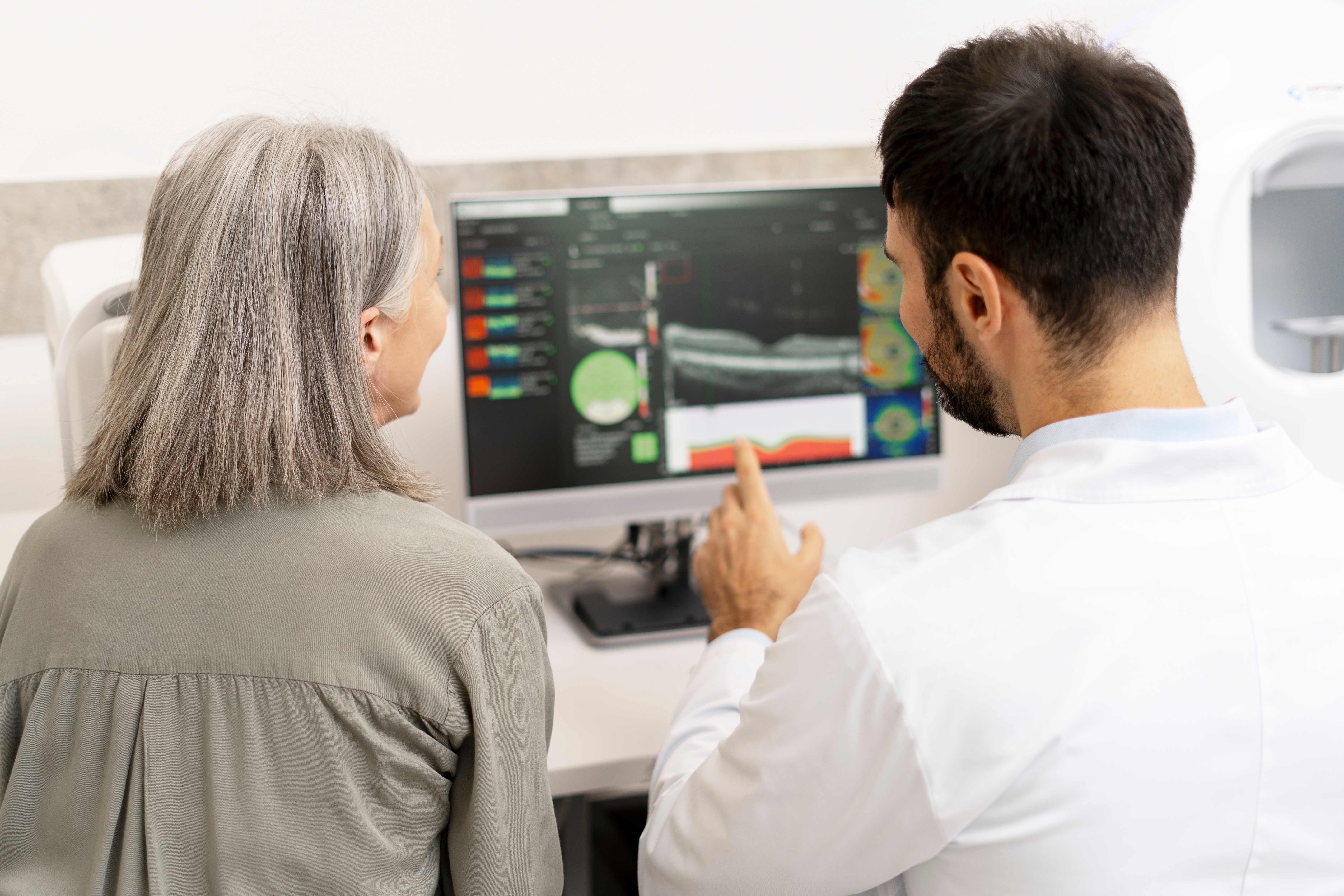
Seeing clearly does not always mean your eyes are healthy. Glaucoma can develop gradually without noticeable changes to your vision, which is why regular glaucoma screening in Houston is an important part of protecting your long-term eye health. By the time certain types of glaucoma begin causing obvious symptoms, permanent damage to the optic nerve may already have occurred.
At Optical Edge Houston, we evaluate more than how well you can read an eye chart. A comprehensive eye exam helps us look for subtle changes that could indicate glaucoma or an increased risk of developing it.
Why Glaucoma Can Go Unnoticed
Glaucoma is a group of eye conditions that can damage the optic nerve, which carries visual information from the eye to the brain. The most common form, open-angle glaucoma, often develops slowly and may initially affect peripheral vision in ways that are difficult to notice.
This means you may still have clear central vision and feel that nothing is wrong. Routine glaucoma testing allows us to identify concerning changes before they significantly interfere with everyday sight.
Who Should Pay Close Attention to Glaucoma Risk?
Anyone can develop glaucoma, but certain factors may increase your risk. We may recommend closer monitoring if you have:
- A family history of glaucoma
- Increased eye pressure
- A history of eye injuries or surgery
- Thin corneas
- Diabetes, high blood pressure, or certain other health conditions
- Long-term corticosteroid use
- Increasing age or other individual risk factors
Your personal and family health history helps us determine which tests may be appropriate and how often your eyes should be evaluated.
Glaucoma Screening Looks Beyond Eye Pressure
Many people associate glaucoma testing with the quick eye pressure check performed during an eye exam. Eye pressure is important, but it does not provide the complete picture. Some people develop glaucoma even when their pressure readings fall within a typical range.
A thorough glaucoma evaluation may include tonometry to measure eye pressure and a detailed examination of the optic nerve. Visual field testing, also called perimetry, can help identify areas of peripheral vision loss that you may not notice on your own.
We may also use pachymetry to measure corneal thickness because corneal thickness can influence the interpretation of eye pressure measurements. Gonioscopy allows us to evaluate the drainage angle between the iris and cornea, helping distinguish between different forms of glaucoma.
Early Detection Helps Protect Your Vision
Damage caused by glaucoma cannot simply be reversed, making early detection especially important. Establishing baseline measurements during routine eye exams also gives us something to compare against in future visits. Subtle changes over time may provide valuable information even when your eyesight still feels completely normal.
If testing reveals suspicious findings, additional monitoring or treatment may be recommended based on your individual eye health. Keeping up with routine comprehensive eye exams is one of the most practical ways to detect glaucoma before noticeable vision loss develops.
Schedule your glaucoma screening with Optical Edge Houston in Houston, TX by calling 281-984-7515 to take a closer look at your eye health before changes become noticeable.

MAP
© 2026 Optical Edge Houston. All Rights Reserved. Accessibility Statement - Privacy Policy - Sitemap
Powered by: 
